
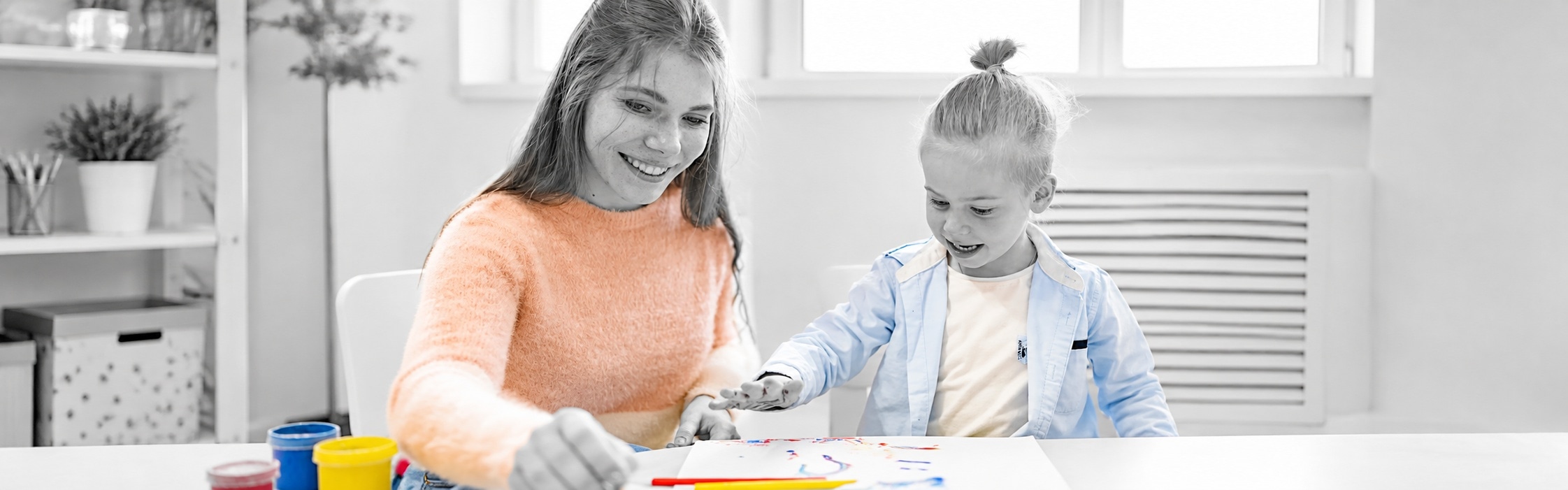
Art Therapy
Creative expression as a pathway to healing.
Art therapy uses creative expression as a pathway to emotional wellbeing and personal insight, offering a non-verbal, sensory way for people to explore experiences, feelings, and ideas that can be difficult to put into words. GRS art psychotherapists work with people of all ages who are living with disability or facing mental health challenges, and this approach can be especially valuable for clients who find verbal communication challenging. Through mediums such as painting, drawing, collage, clay, and sand, clients are supported to explore personal goals at their own pace, with no prior artistic experience or skill required. Art therapy can support a wide range of needs, from processing difficult experiences such as trauma, grief or body image concerns, to building confidence, exploring identity, and developing functional and social capacities. Because the process is creative rather than clinical in tone, many clients find it a more accessible and comfortable way to engage with therapeutic work. GRS approaches art therapy as a genuinely individual process, shaped around each client's comfort, interests, and goals rather than a fixed program.
Our Approach
GRS art therapy begins by understanding a client's goals, communication style, and comfort with creative expression, recognising that art therapy works best when paced to the individual rather than following a rigid structure. Sessions are collaborative, with clients and families involved in shaping what the therapy aims to achieve, whether that's emotional processing, confidence-building, or improved communication and social engagement. As an NDIS-registered provider, GRS aligns art therapy with relevant plan goals and reviews progress over time to ensure sessions remain meaningful. Sessions are typically delivered in clinic or community settings, offering a calm, supported space for creative work. Where appropriate, art therapists collaborate with psychologists, speech pathologists, or occupational therapists to ensure therapy complements a client's broader supports. Above all, the approach is person-centred and strengths-based, using the creative process itself as the therapeutic tool, allowing clients to explore and express at their own pace without pressure to produce a particular outcome or artistic result.
Key benefits
- Communication and social engagement improvements
- Building confidence and independence
- Identity exploration
- Functional capacity development
- Processing personal issues (trauma, grief, abuse, body image)
- Depression symptom relief
- Stress and anxiety reduction
- Self-regulation skill development
- Creative problem-solving
- Personal insight and forward progress
What We Offer
Creative Expression
Painting, drawing, clay and collage as a therapeutic outlet.
Emotional Processing
A gentle space to work through trauma, grief, or identity.
Confidence & Communication
Building social engagement without needing artistic skill.
Frequently Asked Questions
Who can benefit from art therapy at GRS?
Art therapy suits people of all ages living with disability or mental health challenges, particularly those who find verbal communication difficult. It can support emotional processing, confidence building, identity exploration, and social engagement through creative, non-verbal expression.
Do I need artistic skill to try art therapy?
No, art therapy at GRS requires no prior artistic experience or skill. The focus is on the creative process and what it helps you express and explore, not on producing a polished piece of art, so anyone can take part comfortably.
What happens in a first art therapy session?
A first session usually involves getting to know your art psychotherapist and discussing your goals and comfort level with creative expression. You may begin exploring simple creative mediums such as drawing or clay, at a pace that feels comfortable for you.
Is art therapy funded under the NDIS?
Art therapy can be included as a funded support within eligible NDIS plans, depending on individual goals. GRS can help clarify whether art therapy aligns with your plan during an initial discussion with our team.
How is art therapy different from a general art class?
Unlike an art class, art therapy is led by a trained art psychotherapist and focuses on emotional and therapeutic goals rather than skill development. The creative activity is a tool for expression and processing, guided by your individual therapeutic needs.
How do I get started with GRS art therapy?
You can get started with a referral from a support coordinator, GP, or by contacting GRS directly to discuss your goals. Our team will help determine whether art therapy is a good fit and arrange an initial session.
Can art therapy be delivered alongside other GRS disciplines?
Yes, art therapy is often delivered alongside other supports such as psychology, occupational therapy, or speech pathology, particularly where a client's goals span emotional wellbeing and other areas of development. GRS therapists collaborate to ensure these supports complement rather than duplicate each other.
Is art therapy suitable for young children?
Yes, art therapy can suit clients of a wide age range, including young children, since creative mediums like drawing, clay, and collage offer accessible ways to engage without relying on verbal communication. Sessions are adapted to suit each child's developmental stage and comfort level.
Ready to get started with Art Therapy?
Refer a client or get in touch with our team.